Why Most Faceless YouTube Channels Feel Random
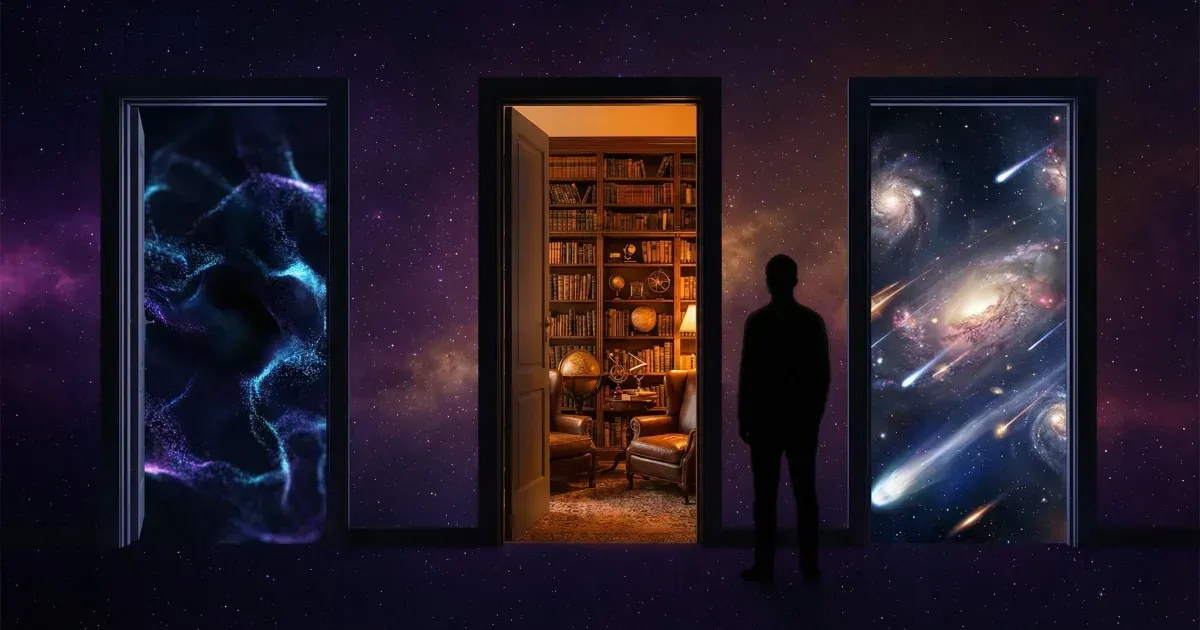
Most Faceless channels don’t plateau because they need more uploads. They plateau because each video is doing a different job, speaking in a different voice, and attracting a different viewer expectation. That’s the main point from YouTube creator educator YouTube Is Not Broken, The Advice Is: growth in 2026 comes less from volume and more from alignment. In other words, your channel has to feel like one coherent mind, even if no person ever appears on screen. For Faceless creators, that idea matters even more. You don’t have a face carrying continuity from video to video. You need perspective, structure, and visual identity to do that work instead.
TL;DR
- According to YouTube creator educator YouTube Is Not Broken, The Advice Is, old “content bucket” thinking is outdated when it isn’t tied to one clear creator POV.
- For Faceless channels, POV matters more than on-camera personality. Channels like Magnes Media and Cold Fusion prove that viewers return for a recognizable way of thinking.
- The three modern content roles are:
- Entry Point: gets people in the door
- Loyalty: makes them care about the channel itself
- Catalyst: turns attention into action, momentum, or a deeper next step
- However, these roles only work when they all reinforce the same channel identity.
- In practice, Faceless creators need consistent narration style, thumbnail logic, framing, and visual system so every upload feels connected.
- ViralFaceless.io helps build that visual identity so your “Creator POV” is clear even without showing your face.
The real problem: your Faceless channel might not feel like one channel
YouTube creator educator YouTube Is Not Broken, The Advice Is makes a simple point that hits hard: many creators aren’t stuck because they’re lazy or inconsistent. They’re stuck because their content “doesn’t work together.” That’s a different problem entirely. It means your videos might each be decent on their own, but together they don’t create a channel people want to return to.
For Faceless channels, this is where things often break. A creator picks a niche like business, tech, travel, productivity, or documentaries. Then they assume the niche itself is enough to create cohesion. It isn’t. As the video explains, niche tells YouTube what category you’re in, but it doesn’t tell viewers why you matter. Your edge comes from your creator POV, the lens you use to interpret the topic.
That idea is especially useful when you don’t appear on camera. In contrast to face-led channels, Faceless channels can’t rely on charisma, expressions, or personal life moments to glue the audience together. They need repeatable perspective. They need viewers to say, “I know how this channel thinks.”
That’s the point.
That’s exactly why the examples in the transcript matter. Magnes Media has no host on screen, yet the channel consistently frames stories through power, success, and the systems behind them. Cold Fusion covers different topics, but the calm, explanatory point of view is always there. As a result, the audience isn’t just subscribing to a topic. They’re subscribing to interpretation.
In our experience building ViralFaceless, this is the line many Faceless creators miss. They spend weeks improving visuals, scripts, and AI voiceovers, but the channel still feels replaceable because there’s no stable lens connecting the work. Better editing won’t fix that by itself. More uploads won’t either. Instead, your channel needs a point of view strong enough that every title, thumbnail, visual sequence, and narration style reinforces it.
1) Entry Point content: get viewers in the door
Entry Point content is the first of the three roles from YouTube creator educator YouTube Is Not Broken, The Advice Is. However, the shift here is that Entry Point is not a format. It’s a job. Its job is simple: introduce new people to the way your channel thinks.
That’s a big change from the old “discoverable content = tutorials” mindset. As the transcript argues, creators used to treat discoverability like a search problem only. Make a tutorial. Rank for a term. Pull in traffic. That still works sometimes. But in practice, a lot of YouTube discovery now happens before the viewer has decided what they want. They’re not searching. They’re scrolling. They’re mid-thought.
That “mid-thought” framing is gold for Faceless channels.
For example, instead of making a video called “How to Invest in AI Stocks,” a Faceless finance channel with a skeptical POV might frame the Entry Point as “Why AI stock advice sounds smart right before it fails.” Instead of “How to Travel Europe Cheap,” a Faceless travel channel could try “Is budget Europe travel even worth it anymore?” Same niche. Different job. The first assumes intent. The second catches curiosity before the decision is made.
The transcript points to Sambucha and the idea of hooks that meet viewers during the scroll. It also references Life by My G’s long-form title “Do these air fryer recipes actually work?” That title works because it enters at the question stage, not the instruction stage.
When it comes to Faceless strategy, Entry Point content should do three things fast:
- Signal your lens
- Qualify the viewer
- Create an expectation for more
For Faceless creators, this means your short-form clips, documentary intros, explainer openings, and title choices shouldn’t just chase reach. They should reveal your worldview. If your channel is about tech, are you optimistic, skeptical, historical, anti-hype, builder-first, or consumer-first? If your channel is about business stories, do you frame them around systems, mistakes, incentives, or psychology?
Beyond that, your visuals need to support the same message. In our experience building ViralFaceless, channels grow faster when their Entry Point content looks instantly related across formats. The pacing, text treatment, B-roll style, thumbnail contrast, and motion language all help viewers recognize the channel before they even remember the name. For Faceless channels, this isn’t just branding fluff. It’s how a non-human channel starts to feel familiar.
That familiarity matters.
2) Loyalty content: make viewers care about the channel, not just the topic
Loyalty content is where viewers stop sampling videos and start developing attachment. According to YouTube creator educator YouTube Is Not Broken, The Advice Is, this is the content that happens after people accept the invite. It’s slower, more relational, and less obsessed with immediate reach.
The transcript uses Cara and Nate as the clearest example. Their travel and challenge content pulls viewers in, but behind-the-scenes videos, annual updates, and Cara’s epilepsy updates reveal what loyalty actually looks like. Those videos matter because they show the audience cares about the people, not just the premise.
Now, Faceless channels obviously can’t copy that one-to-one. You may not want to reveal your identity. You may not even want to use a personal voice. That said, Faceless channels still need loyalty content. They just need a Faceless version of it.
So what does loyalty content look like when no one’s on camera?
It can be:
- recurring series with familiar framing
- “how we made this” breakdowns
- channel updates about the mission or experiment
- revisiting old predictions or opinions
- commentary on audience responses
- a deeper editorial take that only your returning viewers will fully appreciate
For example, a Faceless documentary channel might create a recurring “what changed since our last video on this company” series. A Faceless AI tools channel might publish periodic “what we stopped using and why” videos. A Faceless travel channel could build loyalty with narrated itinerary retrospectives, budget postmortems, or anonymous founder-style updates on how the channel itself is evolving.
In contrast to Entry Point content, Loyalty content doesn’t need to cast the widest net. It needs to deepen trust. It tells returning viewers, “You’re in the right place. This channel has continuity. We remember what we said before. We’re building something here.”
This matters more for Faceless channels than most people realize. Without face-based familiarity, you need ritual-based familiarity. The audience should recognize your episode structure, your visual themes, your soundtrack choices, your narration rhythm, and your editorial standards. In our experience building ViralFaceless, loyalty increases when creators stop treating each video like a standalone content asset and start treating the channel like a world with rules. That world-building effect is what makes Faceless channels bingeable.
That part sticks.
3) Catalyst content: turn attention into momentum
The transcript provided cuts off just as it transitions from loyalty into the next strategic thought. However, based on the structure laid out by YouTube creator educator YouTube Is Not Broken, The Advice Is, with three content roles replacing old buckets, the missing third role is best understood as Catalyst content: the content that creates movement.
Entry Point brings people in. Loyalty makes them care. Catalyst gives the channel momentum by driving a next step. That step could be a binge session, a series launch, a deeper commitment to your thesis, a newsletter click, a product inquiry, or a major spike in channel identity.
For Faceless creators, Catalyst content is often the most overlooked. A lot of channels make discoverable videos and a few community-style uploads, but they never produce the videos that consolidate authority. As a result, attention stays fragmented.
Catalyst content usually has higher stakes. It might be:
- a flagship long-form documentary
- a definitive breakdown on a major topic in your niche
- a strong contrarian thesis video
- a multi-part series launch
- a “state of the niche” piece that positions your channel as a guide
To illustrate, think about Cold Fusion. The calm explanatory POV stays steady, but certain videos act as anchor pieces that define the channel for new and returning viewers alike. The audience doesn’t just enjoy them. They use them to understand what the channel stands for.
For Faceless channels, Catalyst content works best when it feels inevitable. It should look like the natural next expression of your POV, not a random attempt to “go viral.” If your channel’s perspective is about exposing the systems behind power, your Catalyst content might be a definitive story connecting several companies or trends into one larger argument. If your channel is a Faceless creator-education brand, your Catalyst video might challenge a common belief and offer a stronger operating model.
When it comes to channel growth, Catalyst content is often where identity compounds. It gives the audience something to reference, share, and remember. Beyond that, it tells the algorithm what your channel is capable of holding attention around at a larger scale.
In our experience building ViralFaceless, the strongest Faceless channels create visual systems specifically for Catalyst content. They don’t make these videos look identical to everything else, but they do make them feel like the premium edition of the same brand. That difference matters. Entry Point gets discovered. Loyalty gets trusted. Catalyst gets talked about.
This is where channels click.
Two things Faceless creators should change immediately
First, stop planning content by format alone. “We need shorts, one explainer, one tutorial, one documentary” is not a strategy. Instead, ask what role each upload plays. Is it opening the door, deepening the relationship, or creating momentum?
Second, define your POV in one sentence before you script another video. Not your niche. Not your upload schedule. Your lens.
A few examples:
- “We explain business stories through incentives, not headlines.”
- “We cover tech by showing what’s overhyped and what actually matters.”
- “We tell travel stories through tradeoffs, not bucket-list fantasy.”
- “We analyze online trends through power and unintended consequences.”
Once that’s clear, everything gets easier. Your hooks improve because you know what kind of tension you’re surfacing. Your visuals improve because you know what mood and structure fit the channel. Your titles improve because they stop sounding generic.
As a result, your Faceless channel becomes easier to remember. And remembered channels grow.
FAQ
Do Faceless YouTube channels really need a creator POV?
Yes. In fact, they may need it more. YouTube creator educator YouTube Is Not Broken, The Advice Is argues that viewers return because they recognize how a channel thinks, not just who appears on camera. Magnes Media and Cold Fusion are clear examples of that.
What’s the difference between niche and POV?
Your niche is the topic category. Your POV is the lens. “Business” is a niche. “We explain business through power and incentives” is a POV. However, the POV is what makes your channel feel distinct.
Can shorts work for Faceless channels as Entry Point content?
Absolutely. The transcript specifically says shorts can be the fastest way to introduce a POV at scale. The key is to frame them around mid-thought curiosity, not just searchable instruction.
What counts as Loyalty content if I never show my face?
Recurring series, mission updates, editorial follow-ups, “what changed” videos, anonymous creator notes, and videos that reference channel history all work. In practice, loyalty comes from familiarity and continuity, not only personal exposure.
Randomness also has a cost beyond any single upload. YouTube appears to evaluate your channel as a whole, not each video in isolation. More on that in YouTube scores your channel, not your videos.
Conclusion
The smartest idea in YouTube creator educator YouTube Is Not Broken, The Advice Is is that content strategy should be built around roles, not random buckets. Entry Point, Loyalty, and Catalyst each matter. However, none of them work well if your Faceless channel has no unifying point of view.
That’s the real opportunity for Faceless creators. You don’t need to put your face on camera to build recognition. You need a perspective people can identify in seconds and a visual system that makes that perspective feel consistent across every upload.
That’s exactly where we think ViralFaceless.io fits. In our experience building for Faceless channels, the channels that win aren’t just well-edited. They’re coherent. ViralFaceless.io helps you build the visual identity that makes “Creator POV” work for Faceless YouTube channels, so your videos stop feeling random and start feeling like they belong to the same creator, even when that creator never appears on screen.
Your channel deserves a system
Build a recognizable channel with stronger defaults, better consistency, and a workflow you can repeat
About the Author

Founder at Dimantika
Creator of ViralFaceless. He writes about AI video production, content automation, and practical tools for faceless creators.
View all postsRelated posts
More articles you might like.

Selling Faceless Video as a Service: What Clients Actually Pay
Two sellers, same skill, same deliverable — one earns $37 a video, the other $3,000 a month. The gap isn't craft. It's who signs the invoice.
Your 15-Second Short Isn't the Problem. Stop Cutting.
A dataset of 756,851 AI-generated videos says the 15-second clip is a rounding error. Here is what that number does and does not prove about your channel.
YouTube's 2027 Rules: The Number That Actually Threatens Faceless Channels
The headline is that YouTube doubled the entry bar. If you are already monetized, that number does not apply to you. A different one does, and it is not in the headline.